Table of Content
Using dry wood can also help prevent the build-up of harmful substances in your fireplace. The firebox is the bottom part of the fireplace where you place the fuel. Keeping this area clean by regularly removing old ashes, debris, and other items is essential. The certified professional will likely need to disassemble your fireplace to access all the areas with potential problems.
Broken chimney damper, always get down and look at the chimney fireplace damper to make sure it operates properly and is not damaged. If you are purchasing a home with a gas fireplace, we recommend that the damper have a damper clip installed to allow gas to dissipate form the fireplace while the pilot is lit. Level 3 inspections range from $1,000 to $5,000, depending on the chimney’s size and location.
Benefits of Chimney and Fireplace Inspection
The hearth is where you place your fuel, such as wood logs or gas logs. In most cases, it should have a cement pad underneath to protect both the fireplace and the floor from heat damage. By inspecting the entire system, professionals can identify any problems or weak points in your venting system before they become costly issues. Chimneys are not indestructible, especially if not properly maintained. Exposure to the elements will cause wear and tear, and without regular inspections, minor problems can quickly turn into major repair bills. Over time, elements like soot and ash can build up and cause problems.

When there is 1/8″ of soot, the Chimney Safety Institute of America recommends cleaning. If you haven’t used your fireplace in years, have it inspected before using it. Gas fireplaces offer advantages that their wood-burning counterparts do not. Most of the time, they burn cleaner than traditional wood-burning fireplaces and need less cleaning and maintenance. Not to mention the money saved and the effort required to keep a supply of wood on hand.
What does it cost to have a fireplace cleaned?
The chimney is restored to full functionality after this extensive inspection and fixing. It is also important to note that levels 1, 2, or both types of inspections can’t replace level three inspection. This type of inspection always involves the use of video scanning. This aids visual inspection of internal chimney surfaces as well as flue liner joints.

Cracks allow moisture and critters to get into your chimney, making you vulnerable to fires and even a possible chimney collapse. While hairline and superficial cracks often go ignored, you should have any crack fixed quickly. Proudly providing inspection services to the OKC metro and surrounding areas from Guthrie to Purcell, El Reno to Shawnee, and everything in-between. A damaged chimney crown can allow water to leak into your chimney and wreak havoc.
How do you find a good home inspector?
You should have a detector installed in your home near your fireplace and any gas-based appliances. Be sure to call for firefighters to help if your alarm goes off and stay out of your home until you are cleared to re-enter. The Level 1, 2, and 3 fireplace inspection classifications are governed by the National Fire Protection Association. Hairline cracks are not a major concern but should still be fixed.

When moving into a new home we recommend that every home buyer have their chimney cleaned and inspected by a professional chimney sweep. The best way to eradicate creosote is to hire a chimney sweep to clean the chimney. The cost of hiring achimney sweep to check for deposits and correct clearance averages $244. A typical way to clean a vent is to remove debris and residue from rotting log sets, clean the glass, and remove any other debris (leaves, bird’s nests, etc.). Read about “The WIN Way” and see how we ensure that every one of our inspectors is completely reliable. We give you a list of qualified professionals in your area that can offer a thorough fireplace inspection.
Fireplace Inspection: Why You Need Your Fireplace Inspected
This is not as much of a problem if you are burning processed materials such as wood pellets. Creosote can build up very quickly, especially when the weather is very cold and then turns warm. This excess build up will cause smoke to go throughout the home instead of out the chimney.
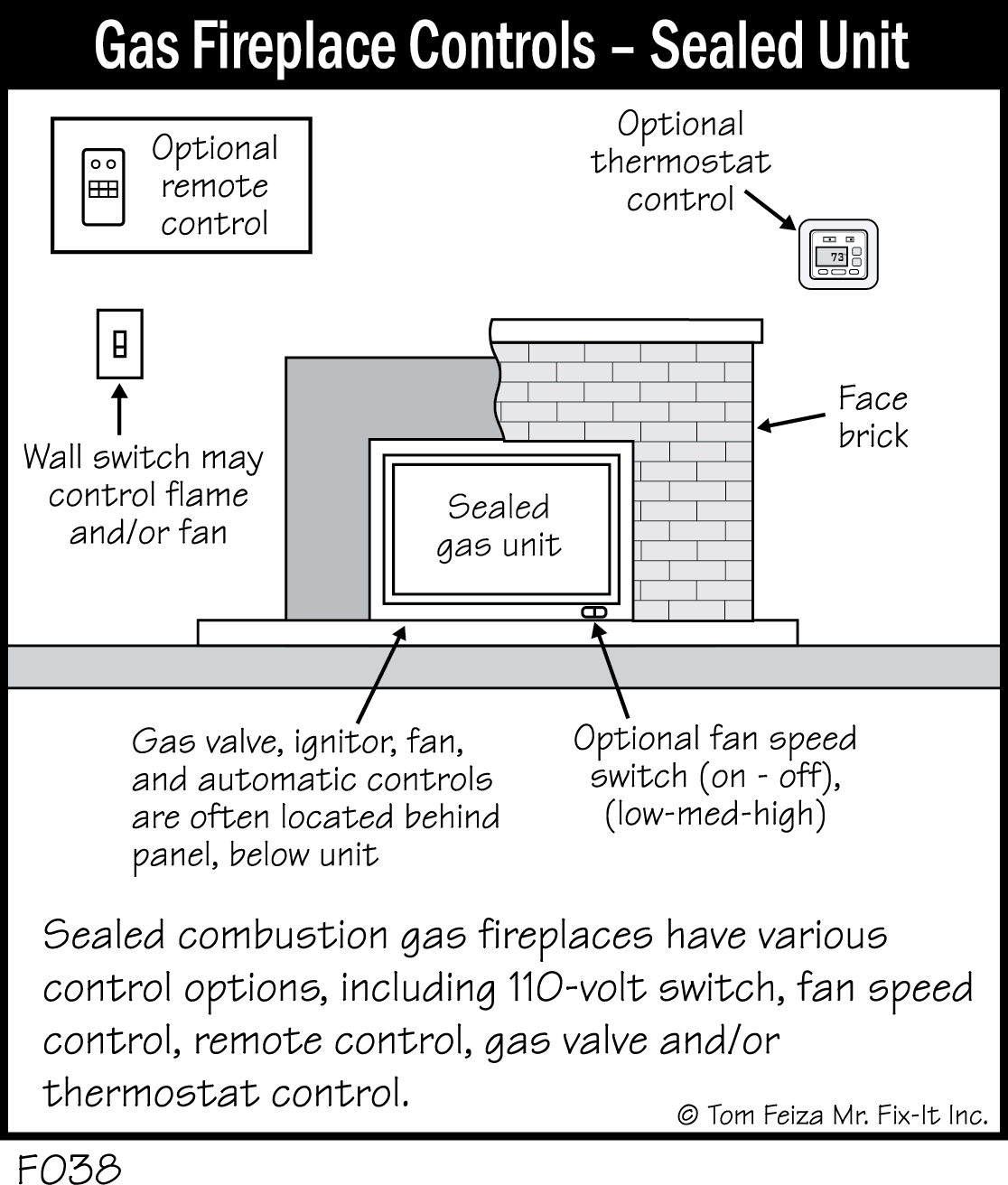
Dimmitt says missing flue joints, broken flue tiles, and misaligned flue tiles are the most common issues most inspectors see. It addresses the proper construction and condition of concealed parts of the chimney and flue. A Level 2 inspection includes a video scan of the internal surfaces and flue liners of the chimney. Typically, the inspector will also climb onto the roof and into the crawlspace to look for issues.
As a result, the installation rules for each central heating furnace can be different and will be found in the manufacturer’s installation instructions. Also, this type of installation is complicated and should be carried out by a trained professional. A fireplace is the perfect comfy addition to your home—but it can also be an expensive problem if it’s damaged or not functioning properly. Getting a fireplace inspection is essential for making sure your fireplace and chimney are safe to use.
With the damper open, you’ll need to look up the flue, scanning for any obstructions—either full or partial—and examine the tile or metal liner. Use a fireplace poker to reach up and scrape at the surface of the liner to see how much creosote is present. If you have 1/8-inch or more, it definitely needs to be cleaned. These are only a few of several things checked during the level-three chimney inspection.
WIN Home Inspection's Fireplace and Chimney Inspection goes beyond what the home inspection evaluates in the fireplace and chimney. Using advanced tools, we can take a deeper look at the interior of the chimney flue. Depending on the chimney service you call, a wide range of areas are checked or inspected. During such inspections, tools such as ladders are rarely used. The only exception will be when sweeping is required or some repairs are necessary.

A fireplace inspection is no DIY job and should be done by a specialty home inspector with past experience in the field. NFPA-certified inspectors are the most dependable but this accolade is not essential for a quality service. On average, you can expect a standard home inspection to take two to three hours. During the home inspection, the professional will be taking photos and looking in and around all parts of your home. The inspector will then compile a report that may be more than 20 pages. You should receive this report back within a few days to a week.
Without inspections, you’re likely to be oblivious to the need to have your chimney swept or cleaned. This is likely to result in chimney fires which can be deadly. Chimney inspections save you cost in the sense that you’re able to fix problems at their early stage before they worsen. So, which of these chimney and fireplace inspections is best?
Replacement costs $1,200 to $4,600 depending on the material and size. “Sweeping isn’t hard,” Dimmitt says, “but you have to know what you’re doing for an inspection.” Inspections can uncover a myriad of problems. Here’s a list of some of the issues commonly detected during an inspection. Often performed after a chimney fire, a Level 3 inspection is invasive and can be destructive because it may include tearing down and rebuilding chimney walls. Gas will continue to play an important role in heating for the next 30 to 40 years.



No comments:
Post a Comment