Table of Content
- Typical home price in Arkansas: $177,710 (41% of typical U.S. price)
- Distribution of home purchase prices in the United States in 2021
- Typical home price in Rhode Island: $443,482 (103% of typical U.S. price)
- Typical home price in Illinois: $269,575 (63% of typical U.S. price)
- Figure 2: Home Prices in San Francisco Continued to Ascend in Early 2021, Though Less Rapidly Than in Other Markets
One way people are bringing down the cost of purchasing a home is by relocating. Location is the most significant contributor to housing costs, with a typical home in Hawaii, for example, costing more than six times a typical home in West Virginia. Home prices are highest in the Northeast and West, with the highest prices concentrated around the most densely populated areas. The Prairies’ major urban markets have held onto much of their price gains over the past year.

Home prices in Calgary have increased by 5% year-over-year to $509,576, while Edmonton home prices had a 1% annual decrease to $381,451. Meanwhile, Winnipeg’s average home price is up 4% year-over-year to $354,818. The Canadian Prairies, once a housing market that lagged behind the price gains seen in other parts of the country, are now seeing a slight downturn in home prices.
Typical home price in Arkansas: $177,710 (41% of typical U.S. price)
Since the beginning of the epidemic, market confidence has reached its lowest point in the second quarter of 2022. In addition, as a result of the impact of growing inflation on the cost of living, they found an increase in housing payment difficulties, particularly among renters. The 10- and 20-city composite indexes also showed signs of deceleration — up by 14.9% and 16.1% year over year, respectively — compared with 17.4% and 18.7% growth in June.
Promote sustainable and equitable access to affordable housing.
Distribution of home purchase prices in the United States in 2021
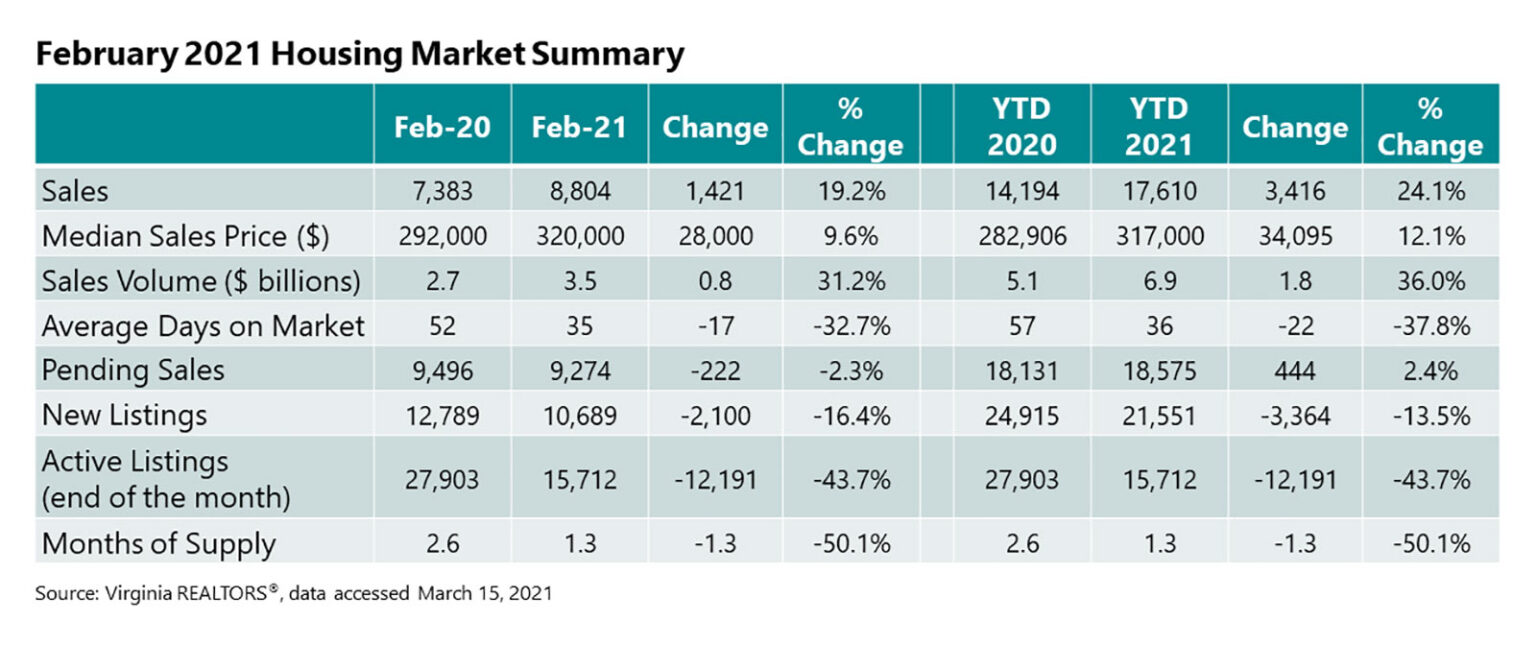
In many housing markets, there is an extreme demand for properties at the moment, and there simply aren't enough homes to sell to prospective buyers. Home construction has been increasing in recent years, but they are so far behind catching up. Thus, to see significant declines in home prices, we would need to see significant declines in buyer demand. Since home values are so high, the housing market may be more susceptible to rate increases than in the past; therefore, the greater estimate appears realistic. This year, mortgage rates have more than doubled from where they were in early January. Furthermore, the increasing expenses of purchasing a home have altered many prospective purchasers' calculations.

However, the state also consistently ranks among the worst states to live. In fact, Idaho has the nation's second-highest level of population growth. The typical home in Idaho costs $466,435 and measures 1,932 square feet. However, homeownership is also high, with 70.4% of residents owning their homes. California's homeownership rate is the second-lowest in the nation and the lowest among states, with only 54.2% of residents owning their homes.
Typical home price in Rhode Island: $443,482 (103% of typical U.S. price)
Earnings don't quite outweigh the expensive home prices, so mortgages take up a significant chunk of what homeowners make. Massachusetts has some of the country's most expensive housing costs. Owning a home is challenging in this state, even with a median income that beats the national median by 28%. Residents of Illinois generally don't need to spend too much of their salaries on their mortgages. The typical house price is 37% lower than the countrywide number, and incomes are 9% above the national median. According to the Federal Reserve Bank of St. Louis, the median home sales price is $428,700.

The market is shifting away from sellers to more balanced conditions. The large and sudden increase in mortgage rates that occurred this year rendered an already expensive housing market far less affordable. Utah has the largest homes in the nation, with an average house measuring 2,305, nearly 50% more than the national average. However, homeownership rates are higher than the national average, with 70.3% of residents owning their homes. Massachusetts offers one of the nation's highest qualities of living and some of its best education.
At 1,746 square feet, the average home in the state costs less than $100 a square foot, meaning those with the budget can afford more house for their dollar than they can in most states. However, Oklahoma has high levels of poverty and low levels of quality of life satisfaction. Looking at Ontario, the average Ontario home price fell to $835,090 in October 2022, a small drop of 0.1% month-over-month that continues Ontario’s decline in home prices. This means that Ontario home prices have dropped on a monthly basis for seven months in a row, with prices now significantly below what they were last year. Over this past year, factors that have spooked Canadian home buyers have been rapidly rising Canadian mortgage rates, brought about by Bank of Canada rate hikes. The effect of this can be seen in prime rates, which have soared from 2.45% at the start of 2022 to 5.95% as of November 2022.
Buying a home in New Hampshire is doable, but many residents will find it challenging. Although the median income beats the U.S. median by 31%, the typical home price still leads to expensive mortgage payments. It has inexpensive housing costs, low interest rates on mortgages, and a median income 7% above that of the United States. Much to the surprise of many, the coronavirus and recession did not lead to a distressed seller driven inventory surge as we saw in the previous recession, but further reduced the number of homes available for sale.
The number reflects increased activity in Ontario and Quebec, where activity was up by 9% and 11% respectively. British Columbia is still the most expensive province in Canada to buy a home. The average home price in British Columbia was $932,979 in October 2022, down 3% year-over-year but up 1% compared to last month. That's still higher than Ontario's average home price of $835,090, and BC’s annual price decline of 3% is relatively small compared to Ontario’s annual price decline of 8.5%. For major markets in Atlantic Canada, Halifax-Dartmouth had an average price of $517,503 for October 2022, up 8% year-over-year. Looking at average home prices in New Brunswick, the average in Greater Moncton was $295,208 for August 2022, $282,379 for Fredericton, and $280,996 for Saint John.
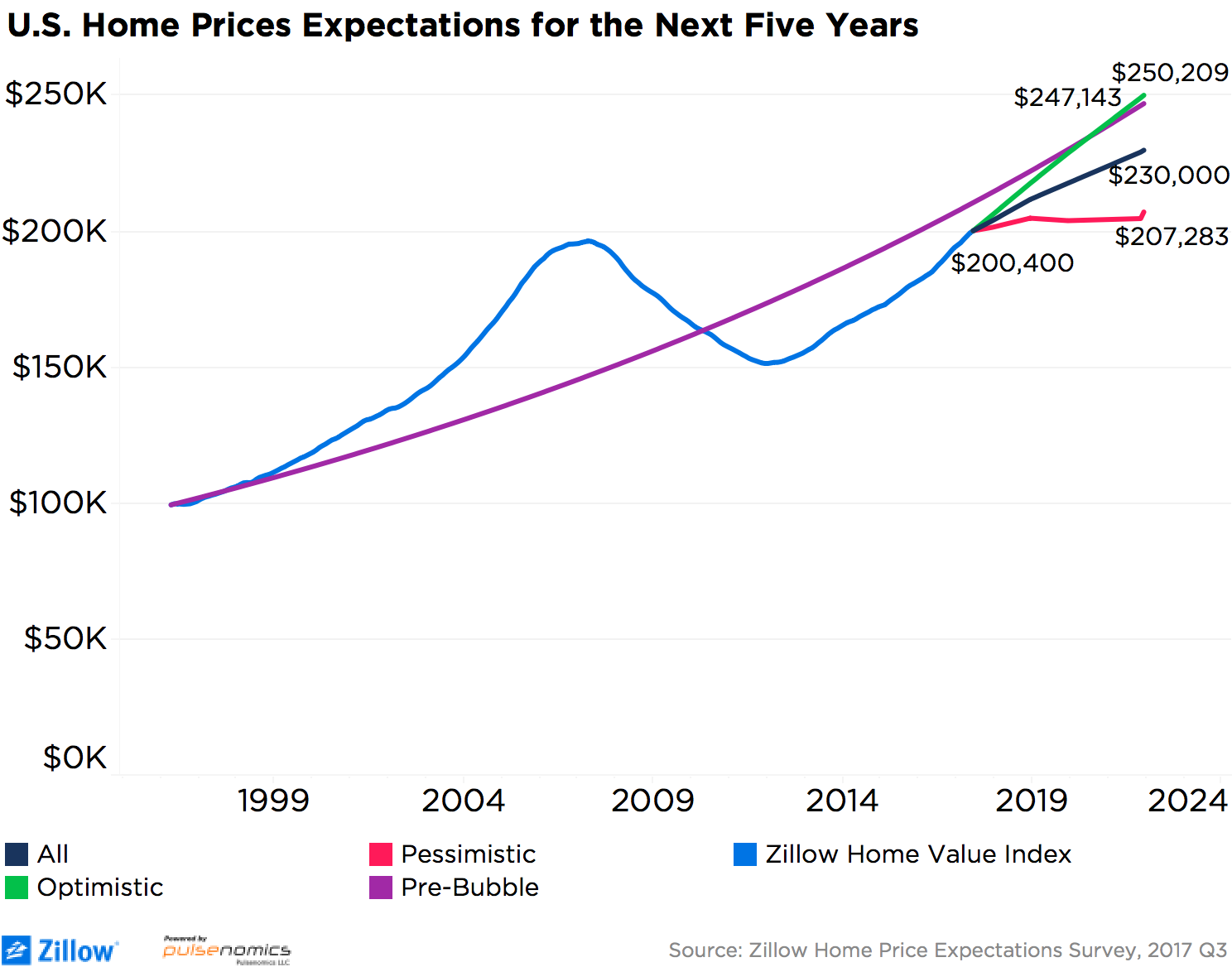
A weaker home sales forecast translates to more inventory, and therefore a faster correction in home values, leading to a downward revision. The positive outlook is that the firm does not predict a financial or foreclosure crisis on the scale of 2008, but they do expect housing fundamentals to return to the mean. Some of that moderation will be brought about by growing salaries, while some will be brought about by declining home prices.
While home prices are below the typical U.S. price, the median income is also 25% lower than the U.S. median. Homeowners in Missouri don't need to spend too much of their money on their mortgages. Housing costs are well below the typical U.S. price, and earnings are only 8% less than the national median. In Minnesota, homeowners normally have a little breathing room in their budgets. The typical home price is below the U.S. price, and incomes beat the country as a whole by 16%. With inexpensive housing, Indiana is one of the easier states to be a homeowner.
The median home price in the United States is $428,700 as of the first quarter of 2022. Buyers who prepare by honing in on the neighborhood and home characteristics that are must-haves vs. nice-to-haves and lining up financing including a pre-approval will have an edge. Three of every four reported an increased willingness to commute or live further from the office. The effect is similar using three-month growth rates instead of twelve-month rates. Taken together, these dynamics mean the wedge between supply and demand has widened.




No comments:
Post a Comment